Getting Citizenship by Investment


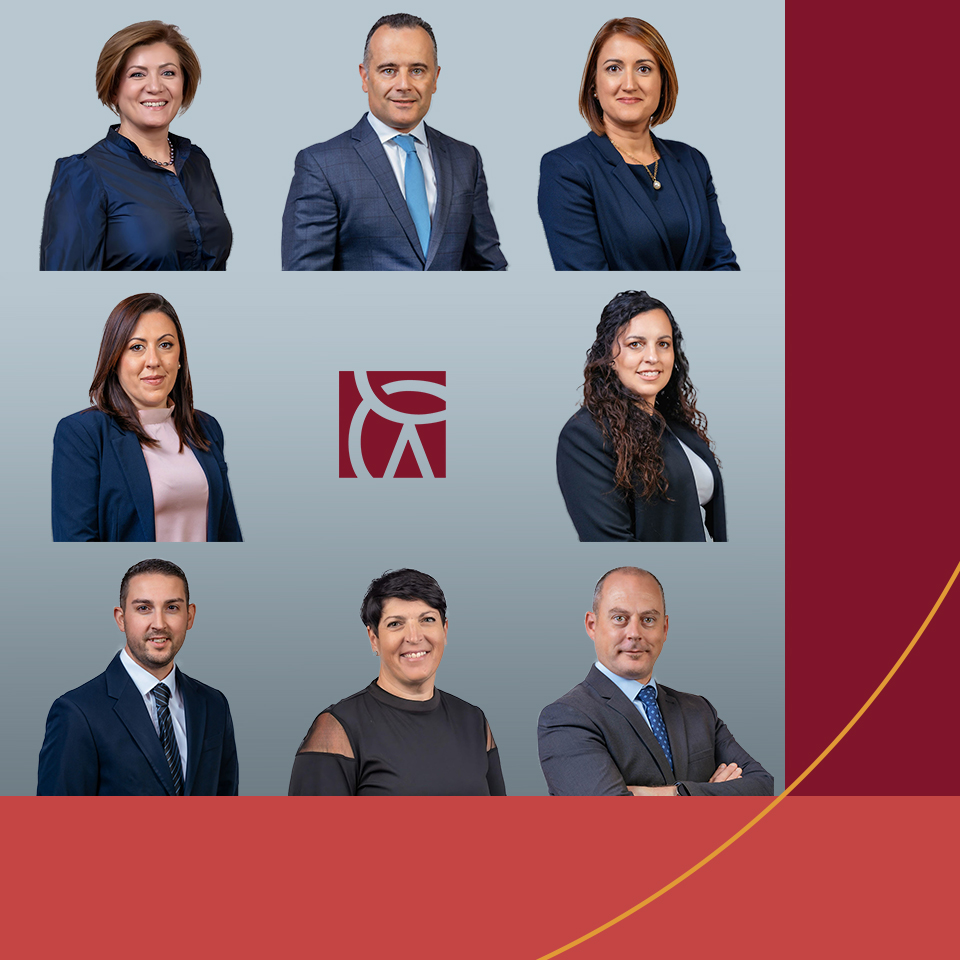
Dr. Jean-Philippe Chetcuti

Dr. Priscilla Mifsud-Parker

Dr. Antoine Saliba Haig

Marina Magri
Key Legal Points
- Citizenship by investment programmes differ significantly between jurisdictions in legal structure, due diligence standards, and residence requirements.
- Several Caribbean jurisdictions continue operating formal citizenship by investment programmes.
- Malta historically operated a structured exceptional investor naturalisation framework under Maltese nationality law.
- Enhanced due diligence, source-of-wealth verification, and reputational assessments are central to modern citizenship by investment frameworks.
- Citizenship planning increasingly intersects with tax residence, relocation, succession planning, and international mobility strategy.
- European and international scrutiny of citizenship frameworks has increased substantially in recent years.
Who Is This For
This overview is intended for internationally mobile entrepreneurs, investors, family offices, business owners, and globally connected families considering second citizenship options as part of wider mobility, relocation, asset protection, or long-term international planning strategies.
What This Means for You
Choosing a citizenship by investment jurisdiction requires considerably more analysis than simply comparing contribution amounts or visa-free travel statistics. Long-term suitability depends on due diligence exposure, geopolitical considerations, tax residence implications, family mobility objectives, banking access, reputation management, and future legal stability. Citizenship planning should therefore be approached strategically and holistically.
Citizenship by Investment in a Changing Global Landscape
Citizenship by investment has evolved substantially over the past decade. What was once viewed primarily as a mobility product is increasingly integrated into broader international private client planning involving relocation, family governance, business continuity, international tax, and long-term geopolitical diversification.
For many entrepreneurs and globally mobile families, second citizenship now forms part of wider resilience planning. Access to alternative residence options, international banking environments, education systems, and diversified legal frameworks has become increasingly important in a world shaped by geopolitical uncertainty, mobility restrictions, and changing tax landscapes.
At the same time, international scrutiny surrounding citizenship by investment has intensified. Governments, supranational institutions, and international organisations increasingly expect robust due diligence, transparency, source-of-wealth verification, and genuine compliance standards within citizenship frameworks.
As a result, citizenship by investment today requires considerably more sophisticated legal, tax, and reputational planning than in earlier years.
Further insight may be found in our Citizenship by Merit vs Citizenship by Investment publication and our Global Citizenship practice overview.
“International mobility planning today is increasingly centred on resilience, family continuity, regulatory transparency, and strategic jurisdictional alignment.”
Dr Jean-Philippe Chetcuti, Senior Partner, Citizenship Law
Caribbean Citizenship by Investment Programmes
Several Caribbean jurisdictions continue to operate formal citizenship by investment programmes under established statutory frameworks. These programmes generally provide citizenship following a qualifying economic contribution, investment, or approved real estate acquisition.
Jurisdictions frequently considered by internationally mobile investors include St Kitts and Nevis, Antigua and Barbuda, Dominica, Grenada, and Saint Lucia. Each jurisdiction differs significantly in due diligence standards, processing structure, family inclusion rules, visa-free mobility, tax environment, investment thresholds, and programme stability.
Caribbean citizenship programmes are often used by entrepreneurs, internationally active business owners, and globally mobile families seeking flexibility and enhanced international mobility without long-term relocation obligations.
However, programme selection increasingly requires careful assessment of international perception, banking compatibility, compliance expectations, and geopolitical positioning.
Our international private client team regularly advises on comparative citizenship programme analysis and strategic jurisdiction selection through our Global Citizenship advisory practice.
Malta and European Citizenship Considerations
Malta historically occupied a unique position within the citizenship by investment landscape due to its status as a Member State of the European Union. Maltese citizenship consequently also grants European Union citizenship rights under Article 20 of the Treaty on the Functioning of the European Union.
Malta’s framework evolved significantly over time, moving towards increasingly stringent due diligence, residence, and exceptional services requirements. The interaction between Maltese nationality law and evolving European jurisprudence has further shaped the legal landscape surrounding investment-related citizenship in Europe.
Today, Maltese citizenship planning increasingly focuses on exceptional contribution, substantive ties with Malta, long-term relocation, entrepreneurship and innovation, strategic family establishment, and contribution-based considerations.
As a result, many internationally mobile families now approach Malta less as a transactional investment migration jurisdiction and more as a long-term European base involving residence, business, family governance, and international structuring considerations.
Further information may be found in our Getting Citizenship by Merit in Malta overview and our Malta Citizenship by Merit solution page.
Citizenship, Residence, and International Tax Planning
Citizenship by investment should never be assessed in isolation from tax residence, immigration status, or international structuring considerations.
For internationally mobile entrepreneurs and family offices, citizenship planning frequently intersects with relocation strategy, international tax residence, family succession planning, banking and financial structuring, asset protection, education planning, and cross-border mobility.
In many cases, the most suitable outcome may involve combining residence rights, tax residence planning, and long-term citizenship strategy across multiple jurisdictions rather than focusing exclusively on a single programme.
Our Private Client Tax, Immigration & Relocation, and Global Citizenship teams regularly advise clients on integrated international mobility planning.
Due Diligence, Reputation, and Long-Term Suitability
Modern citizenship by investment frameworks involve extensive due diligence and reputational assessment procedures. Governments increasingly expect applicants to demonstrate transparent source-of-wealth history, lawful business activity, good standing, and broader reputational integrity.
Equally important is the applicant’s own assessment of long-term programme stability and international perception. The legal durability, geopolitical standing, and institutional reputation of a citizenship framework may prove as important as immediate mobility benefits.
Sophisticated citizenship planning therefore increasingly prioritises long-term legal stability, international legitimacy, compliance standards, family suitability, and strategic compatibility with broader wealth structures.
This evolution has shifted citizenship planning away from purely transactional considerations towards more comprehensive international private client strategy.
How Our Citizenship by Investment Lawyers Can Help You
Chetcuti Cauchi Advocates advises internationally mobile entrepreneurs, investors, family offices, and private clients on citizenship by investment, residence planning, international tax coordination, and global mobility strategy.
Our lawyers assist with comparative citizenship programme analysis, citizenship by investment applications, Malta citizenship and residence planning, citizenship by merit frameworks, international relocation strategy, due diligence preparation, source-of-wealth review, family office mobility planning, and cross-border tax coordination.
Our multidisciplinary advisory team combines citizenship, immigration, tax, corporate, and private client expertise to support long-term international planning involving multiple jurisdictions.
Citizenship by Investment FAQs
[question]What is citizenship by investment?[/question]
[answer]Citizenship by investment refers to legal frameworks through which individuals may acquire citizenship following qualifying economic contribution, investment, or exceptional services requirements established under the laws of a particular jurisdiction.[/answer]
[question]Which countries offer citizenship by investment programmes?[/question]
[answer]Several jurisdictions continue operating citizenship by investment frameworks, including St Kitts and Nevis, Antigua and Barbuda, Dominica, Grenada, and Saint Lucia. Frameworks differ considerably between jurisdictions.[/answer]
[question]Does Malta still offer citizenship by investment?[/question]
[answer]Malta’s citizenship framework has evolved significantly and increasingly focuses on exceptional services, substantive ties, residence, contribution, and enhanced due diligence requirements under Maltese nationality law.[/answer]
[question]Is citizenship by investment legal?[/question]
[answer]Citizenship by investment frameworks are lawful where established under the domestic laws of the relevant jurisdiction. However, programmes increasingly operate within enhanced international regulatory and due diligence expectations.[/answer]
[question]Can citizenship by investment affect tax residence?[/question]
[answer]Yes. Citizenship planning may interact with tax residence, immigration status, relocation strategy, and international structuring considerations. Legal and tax advice should therefore be coordinated carefully.[/answer]
[question]Can family members be included in citizenship by investment applications?[/question]
[answer]Many citizenship by investment frameworks permit inclusion of spouses, dependent children, and in certain cases parents or extended dependants, subject to programme-specific rules.[/answer]
Get in Touch








Related Practices

Related Opportunities