Contact us
Published:
29.05.2025
Last Updated:
12.11.2026
29.05.2025

Malta Citizenship by Merit

reading time
By
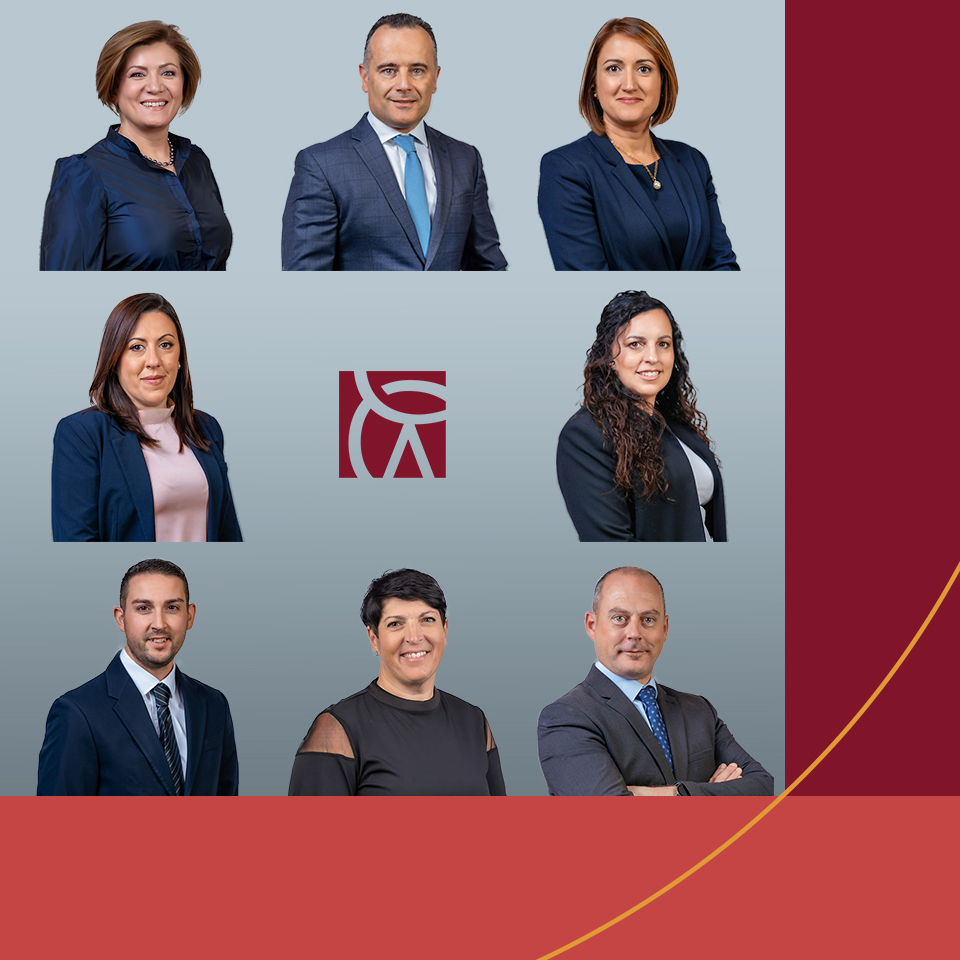
Dr. Jean-Philippe Chetcuti

Senior Partner - Citizenship, Residency, Private Client Tax

Private client lawyer advising on tax, residence, citizenship by merit and cross-border wealth planning.

Dr. Priscilla Mifsud-Parker

Senior Partner - Tax, Family Office, Immigration

Private client lawyer specialising in family offices, trusts, succession and wealth structuring.

Dr. Antoine Saliba Haig

Partner - Immigration & Global Mobility

Immigration lawyer advising international families on Maltese residence and citizenship matters.

Scroll to explore
what's inside

Exceptional Contribution as a Pathway to Maltese Nationality

Malta Citizenship by Merit is a discretionary basis of naturalisation under Malta’s current nationality framework. This is Chetcuti Cauchi's definitive legal and national-interest guide to the framework: it explains what Maltese law means by exceptional service, exceptional contribution and exceptional interest; how discretion, residence, evidence of ties, due diligence, Evaluation Board review and continuing commitments operate; and how a preliminary case should be assessed without implying eligibility or approval. Readers requiring the broader nationality context can review Maltese Citizenship, while those considering professional representation can see the scope of Malta Citizenship by Merit Applications. The guide also places the framework in its post-2025 European-law context and explains how Contributive Belonging can assist legal analysis without becoming an additional statutory test.

full article

Copyright © 2025 Chetcuti Cauchi. This document is for informational purposes only and does not constitute legal advice. Professional legal advice should be obtained before taking any action based on the contents of this document. Chetcuti Cauchi disclaims any liability for actions taken based on the information provided. Reproduction of reasonable portions of the content is permitted for non-commercial purposes, provided proper attribution is given and the content is not altered or presented in a false light.

continue learning
what's inside

Exceptional Contribution as a Pathway to Maltese Nationality

Malta Citizenship by Merit is a discretionary basis of naturalisation under Malta’s current nationality framework. This is Chetcuti Cauchi's definitive legal and national-interest guide to the framework: it explains what Maltese law means by exceptional service, exceptional contribution and exceptional interest; how discretion, residence, evidence of ties, due diligence, Evaluation Board review and continuing commitments operate; and how a preliminary case should be assessed without implying eligibility or approval. Readers requiring the broader nationality context can review Maltese Citizenship, while those considering professional representation can see the scope of Malta Citizenship by Merit Applications. The guide also places the framework in its post-2025 European-law context and explains how Contributive Belonging can assist legal analysis without becoming an additional statutory test.

  • Citizenship by merit is not a programme, scheme or entitlement. It is an exceptional and discretionary exercise of the naturalisation power under Article 10(9) of the Maltese Citizenship Act, assessed case by case.
  • The statutory threshold is qualitative. “Exceptional” means “manifestly superior or adding value”, while the law recognises exceptional service, exceptional contribution and exceptional national interest.
  • A proposal precedes the formal naturalisation application. The applicant must explain achievements, the exceptional case and a plan for continued contribution after naturalisation.
  • The process includes independent evaluation and intensive due diligence. The process and evidential safeguards are explained in Malta Citizenship by Merit Law Explained, while the Minister retains the final discretion and need not give reasons.
  • At least eight months of legal residence is required before the formal application. The regulations do not establish one universal physical-presence night count.
  • The application must evidence property, language and ties. It must also substantiate the exceptional service, contribution or interest and any endorsement requested from a designated competent body.
  • Citizenship can carry continuing commitments. Material non-compliance may expose the grant to deprivation under the applicable law.
  • The current law is distinct from the former investor citizenship rules. It does not naturalise a person in exchange for predetermined payments or investments.

Who Is This For?

This publication is for exceptional entrepreneurs, scientists, researchers, technologists, philanthropists, athletes, sportspersons, artists and cultural figures who are considering whether their record and proposed contribution may fall within Malta’s merit-based naturalisation law. It is equally relevant to family offices, advisers, institutions and designated bodies assessing whether a case is sufficiently exceptional, evidenced and aligned with Malta’s public interest.

What This Means for You

Professional success, wealth, reputation or a proposed project does not create eligibility by itself. The legal assessment must identify the exceptional quality of the individual, the service or contribution, its relevance to Malta or humanity, the evidence supporting it and the intended continuity of the relationship after naturalisation. Even a strong case remains subject to due diligence, Board assessment and ministerial discretion.

What is Malta Citizenship by Merit ?

Malta Citizenship by Merit is a legal basis on which the Minister responsible for citizenship may grant a certificate of naturalisation to an alien or stateless person whose case satisfies Article 10(9) of the Maltese Citizenship Act. The accessible Citizenship by Merit law explainer provides a shorter introduction to this statutory basis.

The provision states that the Minister may grant citizenship by merit to a person who “renders exceptional services or who makes an exceptional contribution, including through job creation, to the Republic of Malta or to humanity, or whose naturalisation is of exceptional interest to the Republic of Malta” (Maltese Citizenship Act, Chapter 188, Article 10(9)).

The same provision defines “exceptional” as “manifestly superior or adding value”. It refers to scientists, researchers, athletes, sportspersons, artists, cultural performers, entrepreneurs, philanthropists and technologists, among other persons who may be of interest to Malta or humanity.

This wording creates three related, but distinct, legal grounds:

  1. Exceptional service – distinguished service rendered to Malta or humanity.
  2. Exceptional contribution – a contribution of exceptional quality or value, including through job creation.
  3. Exceptional interest – a person whose skills, profile, qualities, talents and expertise are considered capable of significantly advancing or benefiting Malta’s national interest.

The category matters less than the underlying evidence. A case may combine achievement, service, proposed activity and national-interest relevance, but it must still demonstrate why the facts cross an exceptional threshold under the Citizenship by Merit Regulations. The firm’s Citizenship by Merit law explainer gives a concise overview of how those grounds operate.

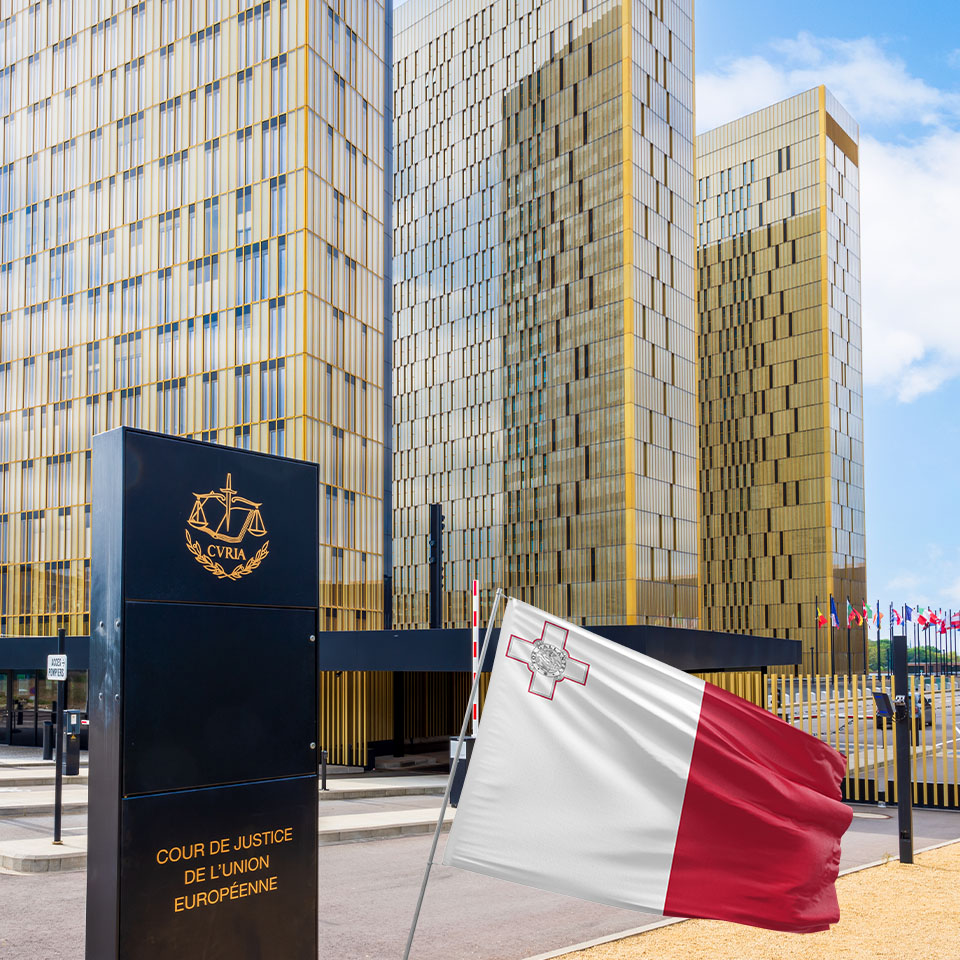
Malta Citizenship by Merit After Commission v Malta

On 29 April 2025, the Court of Justice of the European Union delivered its judgment in Commission v Malta, Case C-181/23. The implications of that judgment for Malta and European nationality law are examined in Maltese Citizenship After EC v Malta: One Year On. The Court held that the former 2020 investor citizenship structure created a “transactional naturalisation procedure in exchange for predetermined payments or investments” and amounted to the commercialisation of the grant of Member State nationality and Union citizenship.

The judgment did not remove Malta’s competence to determine its nationality law. It required that competence to be exercised consistently with EU law, including the special relationship of solidarity and good faith associated with nationality and the principle of sincere cooperation.

Malta responded through Act XXI of 2025 and Legal Notice 159 of 2025. The resulting legal framework is summarised in Malta Citizenship by Merit Law Explained. The reforms removed the former direct-investment architecture and recast Subsidiary Legislation 188.06 around naturalisation on the basis of merit.

The current framework must therefore be understood on its own terms. It is not a renamed investment route. It contains no predetermined purchase price for citizenship and no automatic outcome upon completing financial conditions. A business project, philanthropic initiative or other economic activity may be relevant because of its quality, innovation, employment, public benefit or strategic significance – not because capital is treated as consideration for nationality.

Who May Qualify for Malta Citizenship by Merit?

The statutory categories listed in Article 10(9) of the Maltese Citizenship Act are examples of profiles that may be relevant; they are not separate programmes and do not create presumptive eligibility. The shorter Citizenship by Merit law explainer introduces the common legal test before the specialist profile analysis below. The governing question is whether the individual’s established record, proposed contribution or naturalisation itself is exceptional within Article 10(9), supported by independent evidence and connected credibly with Malta or humanity. Specialist publications should develop the sector-specific evidence questions, while this Main Publication remains the authority for the common legal test.

Entrepreneurs, Founders and Technologists

Business ownership, company valuation, capital deployment or incorporation in Malta is not sufficient. The legally relevant case concerns exceptional achievement and identifiable public value – for example, strategic innovation, intellectual property, research capacity, quality employment, sector development or another credible national-interest contribution. Founders coordinating business establishment, residence and possible future merit-based naturalisation should use The Founder’s Guide to Maltese Citizenship and Residency; AI founders, researchers and technologists should also consult AI Founders and Malta Citizenship by Merit.

Scientists and Researchers

Relevant evidence may include original research, patents, peer-reviewed work, scientific leadership, institutional recognition and a credible plan to strengthen Maltese research, knowledge transfer or strategic capability. Reputation should be independently verified, and proposed outputs should identify real partners, resources and public benefit.

Philanthropists and Social-Impact Leaders

The focus is the exceptional quality, governance, duration and measurable public value of the contribution – not the amount of a donation viewed in isolation. The specialist publication From Philanthropy to Belonging examines how sustained, well-governed impact may support a wider merit case without becoming consideration for citizenship.

Athletes, Sportspersons, Artists and Cultural Figures

Exceptional competitive or creative achievement may be relevant when it is independently recognised and connected with a credible contribution to Maltese sport, culture, education, institutions, heritage or international standing. Public visibility alone is not merit, and future projects should not depend on uncommitted third parties.

Family Members and Dependants

A main applicant may include qualifying dependants in the proposal and application under the Citizenship by Merit Regulations. The wider legal status and routes context is set out in Maltese Citizenship. The current definition includes:

  • a spouse or qualifying partner;
  • a child under 18 when the proposal is accepted;
  • an unmarried child aged 18 to 28 who is wholly maintained or largely supported by the main applicant; and
  • an adult child with a qualifying disability who is wholly maintained or largely supported.

Dependants remain subject to the due-diligence and documentation requirements described in the official Agency guidance, as well as the Minister’s discretion. The scope of professional family and application support is described in Malta Citizenship by Merit Applications. Their inclusion should not be assumed merely because the main applicant’s proposal is strong.

How Is Malta Citizenship by Merit Assessed?

Exceptional Achievement Is the Starting Point

An applicant should first establish a credible record of distinction. Awards, peer recognition, leadership, intellectual property, research impact, cultural influence, sporting achievement, job creation or demonstrable social impact may be relevant. The evidence should be independently verifiable and proportionate to the claim being made.

A long curriculum vitae is not the same as an exceptional case. The assessment should identify the few achievements that most strongly demonstrate superior quality or added value and explain why recognised institutions, professional peers or public bodies regard them as significant.

Contribution Must Have Public Meaning

The contribution should be described through outcomes rather than labels. “Entrepreneurship”, “philanthropy” or “technology” is not enough. The case should explain who benefits, what changes, how delivery will be measured and why Malta or humanity has a meaningful interest in the activity.

Examples may include a high-value research collaboration, a strategic technology capability of the kind explored in AI Founders and Malta Citizenship by Merit, significant quality employment, an educational or health initiative, cultural development, elite sporting contribution, environmental innovation or sustained philanthropy. These are illustrations, not pre-approved categories and not guarantees of eligibility.

National Interest Requires More Than Private Benefit

Where exceptional interest is relied on, the analysis should connect the person’s skills, profile or proposed activity to an identifiable Maltese public interest. Private commercial benefit may form part of the picture, but the legal case should explain the wider value to Malta’s economy, institutions, knowledge base, resilience, culture, communities or international standing.

Malta Vision 2050 can provide relevant policy context because it identifies long-term priorities including productivity-led growth, innovation, future-ready skills, resilience, accessible services and sustainable use of national resources. The possible national-interest role of advanced technology is developed further in AI Founders and Malta Citizenship by Merit. It does not create a right to citizenship or replace the statutory test. Alignment with a policy priority is evidence of relevance, not proof of exceptional merit.

Continuity Is Part of the Legal Architecture

The proposal must include a plan showing how the applicant intends to continue contributing after naturalisation. This forward-looking requirement distinguishes an ongoing relationship from a completed one-off act.

The proposed commitment should be credible, specific and capable of later verification. Overstated promises can weaken rather than strengthen a case. The better approach is to define a contribution that fits the applicant’s genuine expertise, resources and long-term engagement with Malta.

What Evidence Supports Malta Citizenship by Merit?

The most persuasive file is organised around the statutory questions rather than around volume. The professional scope of Citizenship by Merit application support includes evidence strategy and due-diligence preparation. Evidence may include:

  • independent awards, rankings and professional recognition;
  • peer-reviewed publications, patents and research impact;
  • audited employment, investment or economic-impact data;
  • independently verified philanthropic outcomes;
  • institutional letters explaining the applicant’s standing and proposed role;
  • contracts, memoranda or project plans showing credible delivery;
  • proof of Maltese residence, property, activity and relationships;
  • governance, funding and implementation evidence for future commitments; and
  • clear disclosure of risks, disputes or adverse matters that require explanation.

Letters of support should add analysis, not applause. They should also remain consistent with the documentary expectations in the Community Malta Agency’s official guidance and the evidence-led approach outlined in Malta Citizenship by Merit Applications. A credible institution should explain how it knows the applicant, what it can verify, why the person is exceptional in the relevant field and how the proposed contribution serves Malta or humanity.

Malta Citizenship by Merit Assessment Framework

A preliminary legal assessment, before the wider application-management process, should test six questions:

  1. Exceptional profile: What achievements are manifestly superior or demonstrably add value?
  2. Public relevance: What identifiable benefit has been or will be created for Malta or humanity?
  3. Evidence quality: Which claims are independently verified, and which remain aspirational?
  4. Malta relationship: How do residence, property, language, activity and other ties support the case described in the proposal?
  5. Delivery credibility: Are the proposed commitments specific, resourced, governed and realistic?
  6. Integrity and continuity: Does the applicant’s record withstand due diligence, and can the contribution continue after naturalisation?

A weakness in one area does not automatically determine the outcome, but it should not be hidden by strength in another. The assessment remains subject to the statutory discretion and safeguards in the Citizenship by Merit Regulations, while the Citizenship by Merit law explainer provides the shorter legal orientation. An exceptional reputation cannot cure an unworkable contribution plan; a promising project cannot neutralise integrity concerns; and substantial resources cannot replace evidence of merit.

Malta Citizenship by Merit, Residence and Tax

Citizenship by merit has its own residence process and must not be confused with the Malta Permanent Residence Programme or other residence frameworks. Permanent residence is not an automatic route to citizenship by merit, and the merit framework should not be presented as an upgrade from a residence-by-investment status.

Maltese citizenship does not, by itself, determine tax residence, domicile or liability. Tax outcomes depend on the individual’s facts and the applicable tax laws. Citizenship by merit should therefore not be promoted through tax benefits or tax-planning claims.

Malta permits dual and multiple citizenship under its current law, as explained in the firm’s Dual Citizenship guide, but an applicant should also obtain advice on the laws of every other relevant nationality. Another state may restrict dual citizenship, require notification or attach consequences to acquiring a further nationality.

Contributive Belonging and Malta Citizenship by Merit

The Doctrine of Contributive Belonging is an analytical framework, not a statutory eligibility condition. It asks how meaningful contribution, lawful residence, sustained engagement and future commitment can evidence reciprocal belonging in an era when exceptional individuals often live and work across several jurisdictions.

The doctrine does not replace the Maltese Citizenship Act, create an entitlement or impose a separate “genuine links” test. Its value is explanatory. It helps distinguish a substantive relationship between person and State from a transaction in which nationality is treated as a purchasable asset.

This distinction reflects the current legal architecture in the Maltese Citizenship Act and the analysis developed in Maltese Citizenship After EC v Malta: One Year On. The separate European-law context established by Commission v Malta is addressed in the preceding legal-reset section. The proposal must address continued contribution after naturalisation; the application must evidence residence, property, language and ties; the process includes intensive scrutiny; and the State retains discretion. Contribution is not the price of citizenship. It is part of the reason the State may decide that an exceptional relationship deserves recognition.

Malta Citizenship by Merit Application Process

The Citizenship by Merit Regulations state that their scope is “to prescribe the requirements and to regulate the granting of citizenship by naturalisation on the basis of merit in accordance with article 10(9) of the Act” (S.L. 188.06, regulation 2). The professional work involved in that structured process is outlined in Malta Citizenship by Merit Applications, but the outcome remains discretionary.

Stage 1 – Prepare the Proposal

Before submitting a naturalisation application, the individual presents a comprehensive proposal to the Evaluation Board through Community Malta Agency, following the Agency’s official Citizenship by Merit guidance. The firm’s Citizenship by Merit application service explains the legal and evidential support that may be required. The proposal should:

  • introduce the applicant and any dependants;
  • summarise the achievements on which merit is based;
  • describe the exceptional service, contribution or exceptional interest relied on;
  • explain the relevance to Malta or humanity;
  • set out a realistic plan for continued contribution after naturalisation; and
  • include the supporting material requested by the Agency.

The proposal is not a marketing document. It should be an evidence-led legal and factual case, clearly distinguishing verified achievements, existing Maltese connections, proposed future activity and measurable commitments.

Stage 2 – Due Diligence and Verification

Community Malta Agency undertakes at least four tiers of due diligence, using recognised specialist providers, security and law-enforcement checks where permitted, independent verification, background checks and risk assessment.

The Agency may request further information at any stage. False statements, material omissions, sanctions exposure, serious criminal concerns, national-security or public-policy risks, specified visa refusals and activity likely to bring Malta into disrepute can render a person inadmissible or lead to suspension of the process.

Due diligence is not a procedural formality added after merit has been established. Character, reputation, source credibility and risk are integral to whether the State should exercise an exceptional naturalisation power.

Stage 3 – Evaluation Board Review

The Evaluation Board examines the proposal and may request documents, obtain technical advice or interview the applicant, representatives of an endorsing body or other relevant persons.

The Board makes a recommendation to approve or reject the proposal. Community Malta Agency submits that recommendation to the Minister. The Minister’s decision is final and the law does not require reasons to be given.

A favourable proposal decision results in a Letter of Approval in Principle. This is not citizenship and does not create an entitlement to a final grant.

Stage 4 – Complete Residence and Ties

After approval in principle, the applicant must complete at least eight months of residence in Malta before the formal naturalisation application is submitted.

The eight-month requirement is legal residence, not a published universal formula requiring the same number of physical days in every case. The significance of in-person presence is assessed in context, together with the person’s ties, activities and proposed contribution. A serious case should nevertheless show that residence and engagement are substantive rather than nominal.

The applicant must also hold title to adequate residential property in Malta, unless a statutory exception or waiver applies, and should implement the ties and activities described in the proposal.

Stage 5 – Submit the Naturalisation Application

Only an applicant and approved dependants who have received approval in principle may submit the formal application. The application must include:

  • proof of the required residence;
  • proof of title to adequate residential property;
  • full evidence of exceptional service, contribution or exceptional interest;
  • an endorsement from a designated competent body where requested by the Board;
  • confirmation of adequate knowledge of Maltese or English; and
  • evidence of the other ties created with Malta under the proposal.

The applicant should show how the facts developed between proposal and application. If circumstances, projects or commitments changed, the explanation should be candid and supported by evidence.

Stage 6 – Final Assessment and Decision

Community Malta Agency updates its due diligence and refers the completed application to the Evaluation Board. The Board again recommends approval or rejection, after which the Minister makes the final decision.

If approved, a Letter of Approval may impose continuing obligations. The applicant and approved dependants must take the Oath of Allegiance. The applicant ordinarily has six months from the Letter of Approval to take the oath, unless the Minister grants an extension in exceptional circumstances.

Stage 7 – Continuing Compliance

Before taking the oath, the applicant confirms in writing that material obligations and commitments will continue to be observed. Community Malta Agency may monitor compliance and request evidence after naturalisation.

Citizenship granted by merit can be deprived, subject to the Maltese Citizenship Act, where the person fails to comply with a material obligation or commitment, becomes a national-security threat or engages in conduct seriously prejudicial to Malta’s interests.

“Citizenship by Merit should be understood as reciprocal recognition. The individual demonstrates exceptional value and a credible commitment to Malta; the State decides, after scrutiny and without automaticity, whether that relationship merits the exceptional grant of citizenship.”
Dr Jean-Philippe Chetcuti
Managing Partner, Chetcuti Cauchi Advocates

Malta Citizenship by Merit FAQs

[question]What is Malta Citizenship by Merit?[/question]

[answer]Malta Citizenship by Merit is a discretionary basis of naturalisation under Article 10(9) of the Maltese Citizenship Act for a person who renders exceptional services, makes an exceptional contribution to Malta or humanity, or whose naturalisation is of exceptional interest to Malta.[/answer]

[question]Is Malta Citizenship by Merit a programme or scheme?[/question]

[answer]No. Community Malta Agency states that it is neither a programme nor a scheme or pathway. It is a discretionary legal framework under which each proposal and application is assessed case by case.[/answer]

[question]Can Maltese citizenship be obtained by making a fixed investment?[/question]

[answer]No. The current merit framework does not grant citizenship in exchange for a predetermined payment or investment. A business, philanthropic or other contribution is relevant only to the extent that it supports an exceptional, evidence-based case under Article 10(9).[/answer]

[question]Who may qualify for Malta Citizenship by Merit?[/question]

[answer]The law refers to scientists, researchers, athletes, sportspersons, artists, cultural performers, entrepreneurs, philanthropists and technologists, among other persons of interest to Malta or humanity. Inclusion in a category does not itself establish eligibility.[/answer]

[question]What does exceptional mean under Maltese citizenship law?[/question]

[answer]Article 10(9) defines exceptional as manifestly superior or adding value. The assessment considers the quality of the applicant’s profile, service, contribution or national-interest relevance and the evidence supporting it.[/answer]

[question]How long must an applicant reside in Malta?[/question]

[answer]The formal naturalisation application requires proof of at least eight months of legal residence in Malta before the application date. The regulations do not publish one universal physical-presence night count for every applicant.[/answer]

[question]What is the Citizenship by Merit proposal letter?[/question]

[answer]It is the first substantive stage. The proposal introduces the applicant and dependants, explains achievements, sets out the exceptional service, contribution or interest relied on and presents a plan for continued contribution after naturalisation.[/answer]

[question]Who decides a Citizenship by Merit application?[/question]

[answer]Community Malta Agency processes and verifies the file, while the Evaluation Board assesses the proposal and later the formal application. The Board makes recommendations and the Minister responsible for citizenship makes the final discretionary decisions.[/answer]

[question]Does approval in principle guarantee Maltese citizenship?[/question]

[answer]No. Approval in principle permits the applicant and approved dependants to proceed to the formal application stage. It does not create a right to naturalisation or guarantee final approval.[/answer]

[question]What due diligence applies?[/question]

[answer]The regulations require at least four tiers of due diligence, including independent verification, specialist background checks, security and law-enforcement checks where permitted and risk assessment. Further information may be requested throughout the process.[/answer]

[question]Can family members be included?[/question]

[answer]Qualifying spouses or partners and specified dependent children may be included, subject to the statutory definitions, documentation, due diligence and ministerial discretion.[/answer]

[question]Is a business investment enough for an entrepreneur?[/question]

[answer]No. Capital or incorporation alone does not establish merit. The case should demonstrate exceptional entrepreneurial achievement and explain the proposed public value, such as innovation, strategic capability, quality job creation or another significant national-interest benefit.[/answer]

[question]Does Malta Vision 2050 create eligibility for citizenship?[/question]

[answer]No. Malta Vision 2050 is a policy framework and does not create legal rights or obligations. It may help explain the national relevance of a proposed contribution, but Article 10(9) and Subsidiary Legislation 188.06 govern the citizenship decision.[/answer]

[question]Is Maltese citizenship the same as Maltese tax residence?[/question]

[answer]No. Citizenship does not by itself determine tax residence, domicile or tax liability. Those questions depend on the individual’s circumstances and the applicable tax law.[/answer]

[question]Can citizenship granted by merit be revoked?[/question]

[answer]Subject to the Maltese Citizenship Act, the Minister may deprive a person of citizenship granted under the merit regulations for material non-compliance with commitments, national-security concerns or conduct seriously prejudicial to Malta’s interests.[/answer]

Request a Malta Citizenship by Merit Assessment

A preliminary legal assessment should test the six-part Malta Citizenship by Merit Assessment Framework above before any proposal or application work begins. It should identify whether the profile, contribution, Maltese relationship, evidence, delivery plan and integrity record can credibly meet an exceptional statutory threshold – without promising eligibility or approval.

For the scope of application representation, evidence strategy, due-diligence preparation and submission support, see Malta Citizenship by Merit Applications. The firm’s role remains distinct from that of Community Malta Agency, the Evaluation Board, any designated competent body and the Minister.

About the Authors: Professional Contribution and Expertise

Dr Antoine Saliba-Haig, Partner in Immigration & Global Mobility, advises on Maltese citizenship, residence and nationality law. His doctoral research examined the acquisition and loss of citizenship under Maltese law, and his practice covers naturalisation, citizenship by descent and registration, and the post-2025 Citizenship by Merit framework. His contribution to this publication focuses on statutory interpretation, process and evidence.

Dr Jean-Philippe Chetcuti, Managing Partner, is a private-client, citizenship and tax lawyer with more than 25 years’ experience advising internationally mobile individuals and families. He is the author of the Dual Citizenship Report and the proponent of the Doctrine of Contributive Belonging, which examines contribution, reciprocity and meaningful membership in contemporary citizenship law. His contribution focuses on national interest, legal philosophy and strategic alignment.

Dr Priscilla Mifsud-Parker, Senior Partner, advises private clients, family offices and international families on tax, immigration, governance and cross-border structuring. Her contribution to this publication focuses on the separation between citizenship, residence and tax status, family considerations, compliance and the long-term obligations associated with an exceptional naturalisation case.

Copyright © 2026 Chetcuti Cauchi. This document is for informational purposes only and does not constitute legal advice. Professional legal advice should be obtained before taking any action based on the contents of this document. Chetcuti Cauchi disclaims any liability for actions taken based on the information provided. Reproduction of reasonable portions of the content is permitted for non-commercial purposes, provided proper attribution is given and the content is not altered or presented in a false light.

Key contacts

Speak to a recognised expert

Share this article on
testimonials

What success sounds like,from our clients

Priscilla Mifsud Parker and Marina Magri guided me through Malta’s citizenship by merit process with exceptional clarity and discipline. They translated complex requirements into a practical roadmap, injected security in a discretionary process, and managed timelines and documentation proactively. Beyond the legal work, they took genuine care to understand the purpose behind my collection and my cultural projects in Malta, helping align the narrative, governance and delivery with Maltese legal requirements. Both were responsive, calm under pressure, and consistently one step ahead – the kind of advisors you want when the details truly matter.

Art Collector, Retiree, USA

I engaged Chetcuti Cauchi to transition my citizenship by investment process, started before the ECJ decision, to the new Citizenship by Merit laws in Malta. Partners Jean-Philippe Chetcuti, Priscilla Mifsud-Parker, and Antoine Saliba-Haig inspired confidence in their extensive experience from the first conversations, which confirmed my decision to work with a local specialist law firm. JP, Priscilla and Antoine stayed involved throughout the case right to completion, in a process that clearly needed senior legal attention. I am now a proud Maltese citizen, having moved from the US to Malta with my family. I'm in love with Malta, the Mediterranean lifestyle, the inclusivity and above all, the warm people I now form part of.

Tech Entrepreneur & Venture Capitalist, USA

Dr. Chetcuti has always shown great wisdom and knowledge. He’s remarkably courteous and client-oriented.

UHNWI speaking to Chambers & Partners, Private Wealth Law

Antoine is very professional and knows his field of expertise very well.

Chambers & Partners, Private Wealth Guide

Chetcuti Cauchi Advocates boasts an incredibly diverse and talented team. Everyone brings skills, knowledge and experience to the table, creating a dynamic and collaborative environment.

Chambers & Partners, Global Guide, 2024

My wife and I have an association with Chetcuti Cauchi since 2009. They assisted  us with our original residence permit applications for Malta and since then  have taken care of our annual income tax submissions and Permanent Residence and residence card renewals. They always handle our matters very efficiently  and professionally. The consultants that work with us are friendly, helpful  and very competent. They are familiar with the regulations and procedures in  the related government departments, and this makes the process run extremely  smoothly for us. We are very satisfied with the service we received from  Chetcuti Cauchi and will continue to maintain our relationship with them in  future. We can highly recommend them for any of the services that they offer.

Andre Bodenstein
CITIZENSHIP BY MERIT
Contact us

Speak to a
Maltese Citizenship
By Merit Lawyer

Speak to a
‍recognised expert