Practical Insights from the Published Article
The Malta chapter frames residence and tax residence as legally distinct concepts, correcting a common assumption among relocating high-net-worth families that an immigration permit automatically confers tax residence. By setting out Malta's remittance-basis regime alongside its citizenship-by-merit provisions and absence of wealth or inheritance tax, the chapter substantiates Malta's positioning for European Union-based relocation through permanent, structural features rather than time-limited incentives. As the authors observe, “Citizenship has no fiscal relevance, and the acquisition of Maltese citizenship – whether by naturalisation, descent or merit – is a tax-neutral event.” This distinguishes Malta within the book's comparative 48-jurisdiction survey, giving advisors a framework to test Malta against alternative low-tax jurisdictions on immigration cost, tax residency mechanics and long-term certainty.
A Global Contributor Network
The book is edited by Jack Bernstein, a senior tax partner at Aird & Berlis LLP in Toronto and one of Canada's leading international tax lawyers, who conceived the project in response to the growing complexity of cross-border relocation for high-net-worth families. Chetcuti Cauchi Advocates joins a cohort of leading private client and tax practitioners contributing jurisdiction chapters across 48 countries, including Leandro M. Passarella of Passarella Abogados in Buenos Aires, and Gerd D. Goyvaerts, Stéphanie Gabriel and Luc Jong of Tiberghien, positioning the Malta chapter alongside recognised international private client and tax counsel.
About the Authors: Professional Contribution and Expertise
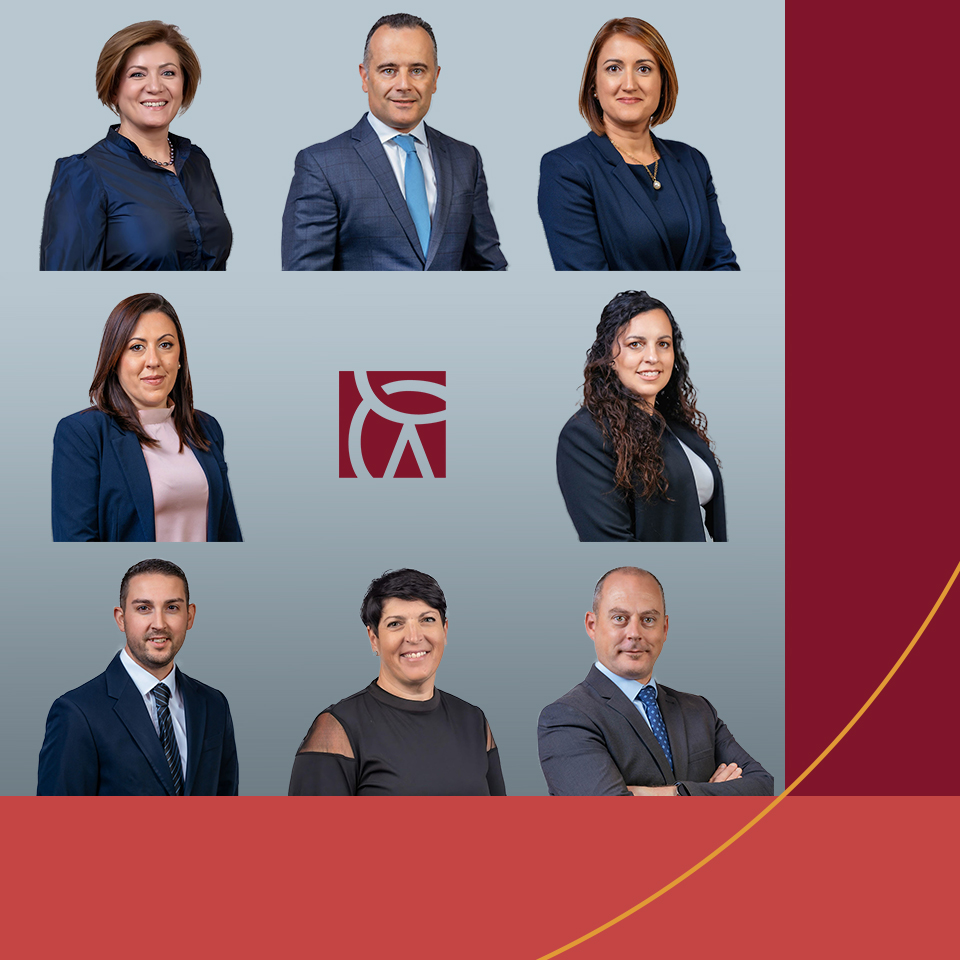
Dr Jean-Philippe Chetcuti, Senior Partner at Chetcuti Cauchi Advocates, is a private client, tax and citizenship lawyer known for his doctrine of contributive belonging in international and European citizenship law. He is the author of the Dual Citizenship Report, Global, European, and Russia & CIS editions, and a regular contributor to Investment Migration Insider and STEP on citizenship and investment migration matters. He is recognised in Who's Who Legal for Malta, as a notable practitioner by ITR World Tax, and as a Chambers and Partners-ranked Private Wealth lawyer in Malta, and has served as Chairman of the Malta Branch of the Society of Trust & Estate Practitioners (STEP).
Magdalena Velkovska, Director, Private Client Tax at Chetcuti Cauchi Advocates, heads the firm's personal tax advisory and compliance practice, advising HNW and UHNW individuals and families on investment migration, personal tax and tax residence matters, often within an international and compliance-sensitive context. She holds the Malta Institute of Taxation's Professional Award in Tax and has represented the firm at international conferences and summits on tax, compliance and investment migration.
Our Contribution to the Wolters Kluwer International Relocation and Tax Planning Guide
Wolters Kluwer's Kluwer Law International imprint publishes leading cross-border legal and tax reference works used by practitioners, family offices and private client advisors worldwide. Chetcuti Cauchi Advocates' authorship of the Malta chapter reflects the firm's standing contribution to comparative international tax and immigration scholarship, alongside prior chapters and articles published through STEP Journal, Trust Quarterly Review and other recognised professional publications, positioning Malta's residence and tax framework within a rigorous, jurisdiction-by-jurisdiction global reference.
Our Malta Immigration & Private Client Tax Lawyers Can Help
Chetcuti Cauchi Advocates' Immigration & Global Mobility and Private Client Tax lawyers advise high-net-worth individuals, entrepreneurs and family offices on Malta residence, tax residency, non-domicile status and citizenship planning, guiding clients through structuring, application and long-term compliance.